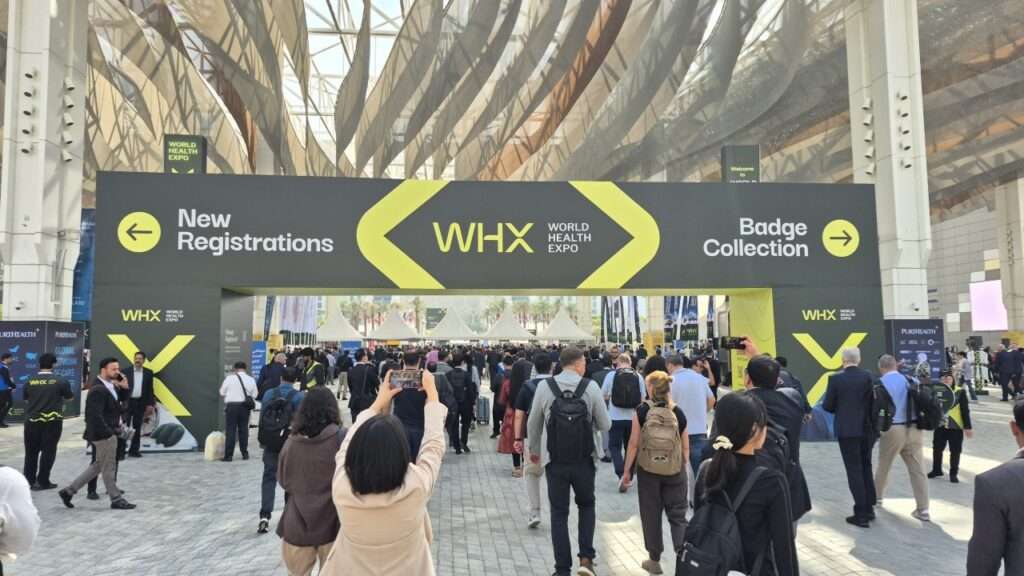
What a week.
I had every intention of sharing daily reflections from WHX Dubai 2026, formerly Arab Health, but the pace of the event had other plans. Between meetings, panels, unexpected hallway conversations, and averaging more than 25,000 steps a day ( #StepsInInnovation ) across the exhibition halls, it was a nonstop immersion in global healthcare innovation.
When combined with the co-timed WHX Labs Dubai, formerly Medlab Middle East, attendance is expected to exceed 270,000 professional visits. Representatives from more than 180 countries were present, with 32 national pavilions showcasing innovation from around the world.
And yet, despite the sheer scale, what struck me most was how personal the experience felt. I ran into colleagues, collaborators, and friends from across the globe. Some meetings were planned. Many were not. I had US connections introducing me to their international counterparts while I was at the show, expanding both my global network and my insight into how different health systems are navigating similar pressures. In a gathering of that magnitude, the healthcare world still felt remarkably connected.
What I observed this week points to something bigger. The conversation is shifting. And the conclusion may be the most important takeaway of all.
From Vision to Infrastructure
I attended several insightful panels moderated by the Healthcare World team and partners at the Connect Conference Centre. The themes were expansive and urgent:
- Population health
- Mental health and wellness
- Artificial intelligence
- Primary, community, and remote care
- Innovation and the future of healthcare
- Longevity

In past years, conferences often centered on bold visions of the future. What AI will do. How robotics will transform care. How systems might radically shift.
This year felt different.
The conversations were less about prediction and more about preparation. Less about imagining disruption and more about building frameworks and infrastructure to support rapid change. Not just implementing today’s innovation, but designing systems resilient enough to absorb the technologies we cannot yet foresee.
That distinction matters.
Innovation without infrastructure creates fragmentation. Technology without governance creates risk. Speed without structure creates inequity.
The leaders I listened to were not chasing headlines. They were asking harder questions:
How do we align incentives? How do we ensure interoperability and data maturity? How do we integrate AI responsibly? How do we strengthen primary and community care as the backbone of sustainability? How do we prepare systems, not just tools, for transformation?
A Shift Toward Long-Term Thinking
Another noticeable evolution is that #longevity and prevention are no longer niche topics. They are moving to the center of system strategy.
#Populationhealth is being discussed not simply as an outcome metric, but as a structural priority. Mental health is increasingly viewed as inseparable from overall system performance. Remote care is no longer an innovation pilot. It is foundational.
Healthcare is no longer debating whether change is coming.
It is recognizing that continuous change is the new constant.
The question is not how to predict the future. The question is how to design adaptable systems capable of evolving alongside it.
The Constant That Remains
Amid the scale, the technology, the AI demonstrations, the robotics, and the global policy discussions, one theme remained steady: Healthy and happy populations.
The tools will evolve. The models will adapt. The structures will shift.
But the end result remains the same. Improving lives.
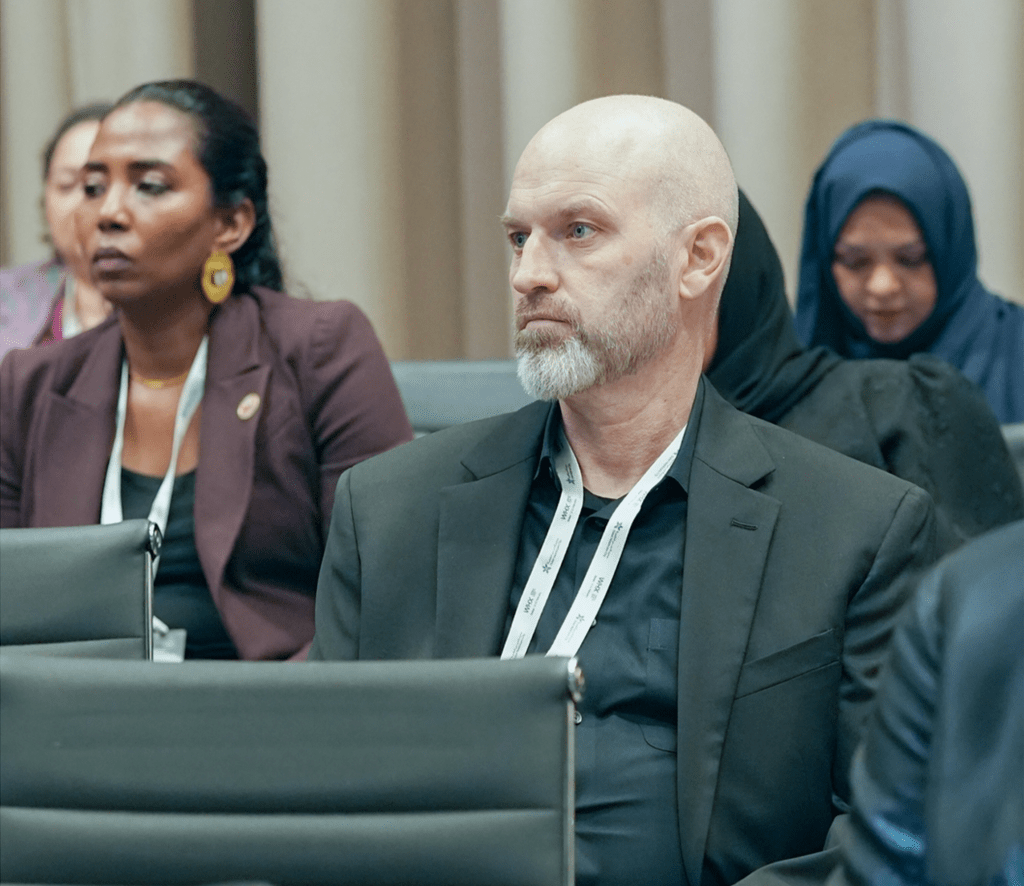
As I reflect on this week in Dubai, I leave energized not just by the innovation on display, but by the maturity of the conversations. Healthcare leaders are thinking less about disruption for its own sake and more about building durable foundations for responsible transformation.
The future of healthcare will continue to change rapidly.
And here is the critical takeaway.
Global experts understand the frameworks required. Now healthcare systems must build the infrastructure necessary to support the rapid technological changes already underway.
#WHXDubai2026 #GlobalHealth #HealthcareInnovation #ValueBasedCare #HealthcareWorld #FutureOfHealthcare